Chichester city centre and the cathedral
What is there. The four streets, the Market Cross and the cathedral close in PO19. The middle is pedestrianised, so the set-down is on the nearest street a vehicle may use rather than at the door.
Cheap airport transfers
One vehicle, booked ahead, from the terminal door to a West Sussex address for a figure agreed before anybody sets off. What follows: the five classes that were quoted and the five that were not, collections at Terminals 2 to 5, the M25, A3 and A27 with an honest planning window, the city and the university, Goodwood, the harbour villages, and where the train, the coach and an app stand against a car.

Vehicles
Five classes with a figure against them, and five without.
The standard car on this route was quoted at £147, with four larger classes above it. The five figures above are the ones the quotation screen supplied for this build returned, reproduced to the pound.
Sedan — Toyota Prius or similar
4 passengers, 2 bags and 2 suitcases
£147
Quoted total, shown to the pound
Executive Sedan — Mercedes E-Class or similar
3 passengers, 4 bags and 2 suitcases
£197
Quoted total, shown to the pound
MPV — Ford Galaxy or similar
5 passengers, 4 bags and 3 suitcases
£210
Quoted total, shown to the pound
Van — Ford Tourneo or similar
7 passengers, 7 bags and 6 suitcases
£247
Quoted total, shown to the pound
Executive MPV — Mercedes V-Class or similar
8 passengers, 7 bags and 7 suitcases
£302
Quoted total, shown to the pound
Those five were priced. The five beneath them in the table were not, and each says so rather than carrying an invented number.
| Vehicle | Passengers | Luggage | Fare | What the figure is |
|---|---|---|---|---|
| Sedan — Toyota Prius or similar | 4 passengers | 2 bags and 2 suitcases | £147 | Quoted total, shown to the pound |
| Executive Sedan — Mercedes E-Class or similar | 3 passengers | 4 bags and 2 suitcases | £197 | Quoted total, shown to the pound |
| MPV — Ford Galaxy or similar | 5 passengers | 4 bags and 3 suitcases | £210 | Quoted total, shown to the pound |
| Van — Ford Tourneo or similar | 7 passengers | 7 bags and 6 suitcases | £247 | Quoted total, shown to the pound |
| Executive MPV — Mercedes V-Class or similar | 8 passengers | 7 bags and 7 suitcases | £302 | Quoted total, shown to the pound |
| Estate car | Up to 4 | 3 large and 3 hand bags | Check Live Fixed Fare | No amount was quoted for it |
| MPV, 6-seater | Up to 6 | 4 bags and 4 suitcases | Check Live Fixed Fare | No amount was quoted for it |
| MPV, 7-seater | Up to 7 | 7 bags and 6 suitcases | Check Live Fixed Fare | No amount was quoted for it |
| 16-seat minicoach | Up to 16 | 14 bags | Check Live Fixed Fare | Built around the party’s own timings instead |
| 30-seat coach | Up to 30 | 30 bags | Check Live Fixed Fare | Costed from the schedule, if a vehicle is free |
The brief proposed £147 as the starting fare and asked which vehicle it belonged to: it is the sedan, the class the quotation screen marks as recommended for this journey. Four passengers, two bags and two suitcases is what it carries, and a Heathrow to Chichester minicab booked in that class is where the figure in the heading comes from. The estate is a different question entirely: nothing was quoted for it, so its row asks for a live fixed fare and no substitute has been slipped into the gap.
An executive sedan was quoted at £197 for three passengers with four bags and two suitcases — one seat fewer than the standard car, two bags more. That means a Heathrow to Chichester Executive Taxi Price appears on the page rather than behind a form, and the step up is visible before anybody pays it. The step buys the cabin. It does not buy a quicker run down the A3.
The MPV came back at £210 for five passengers with four bags and three suitcases, which is where a family booking usually lands on this route. A Heathrow to Chichester 6 Seater Taxi is a different class and none was quoted, so that row stays open rather than borrowing the five-seater’s figure. Six travellers with six cases have already passed what the five-seat MPV publishes.
The van is published at seven passengers and the eight-passenger class is the executive MPV, which is worth stating because the two are routinely confused and the brief is explicit that the van must not be relabelled. The van was quoted at £247 with seven seats, seven bags and six suitcases; the executive MPV, listed as a V-Class or similar, came back at £302 for eight passengers with seven bags and seven suitcases. So a Heathrow to Chichester 8 Seater Taxi has a figure against it, and it is the executive MPV rather than the van.
Above eight passengers this becomes group work. A Heathrow to Chichester Group Minicab at sixteen seats or more is costed from the party’s own plan, its timings and what happens to be free on the date rather than from a published row — which is why those rows carry no figure. The group transfers page sets out how they are arranged, and beyond thirty seats the luggage travels below the floor instead of behind the back row.






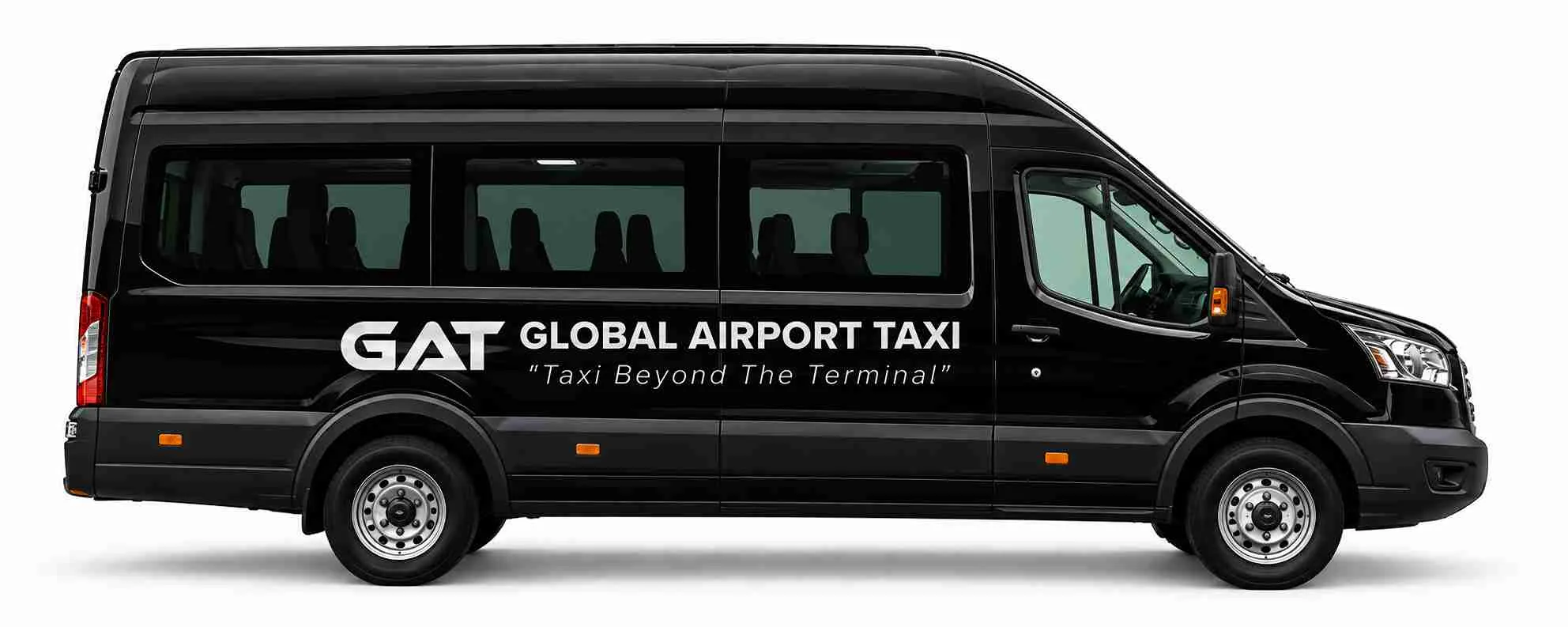
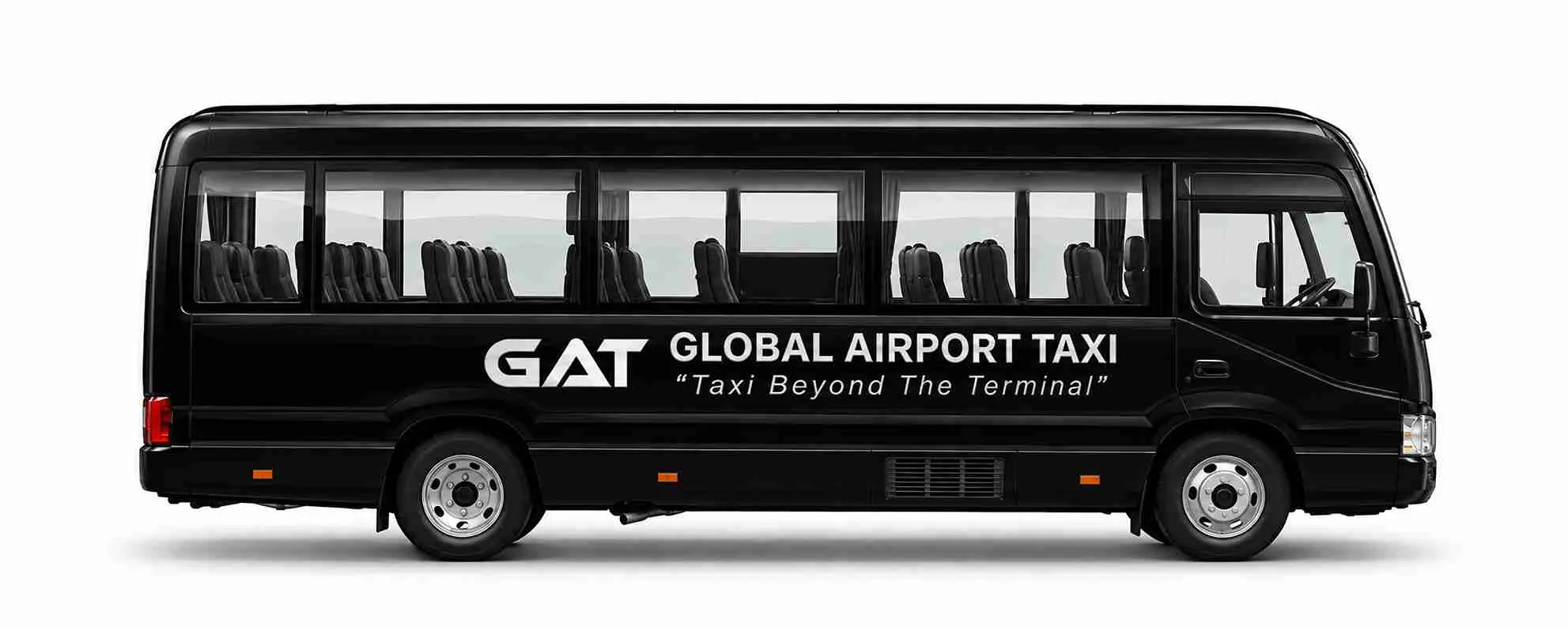
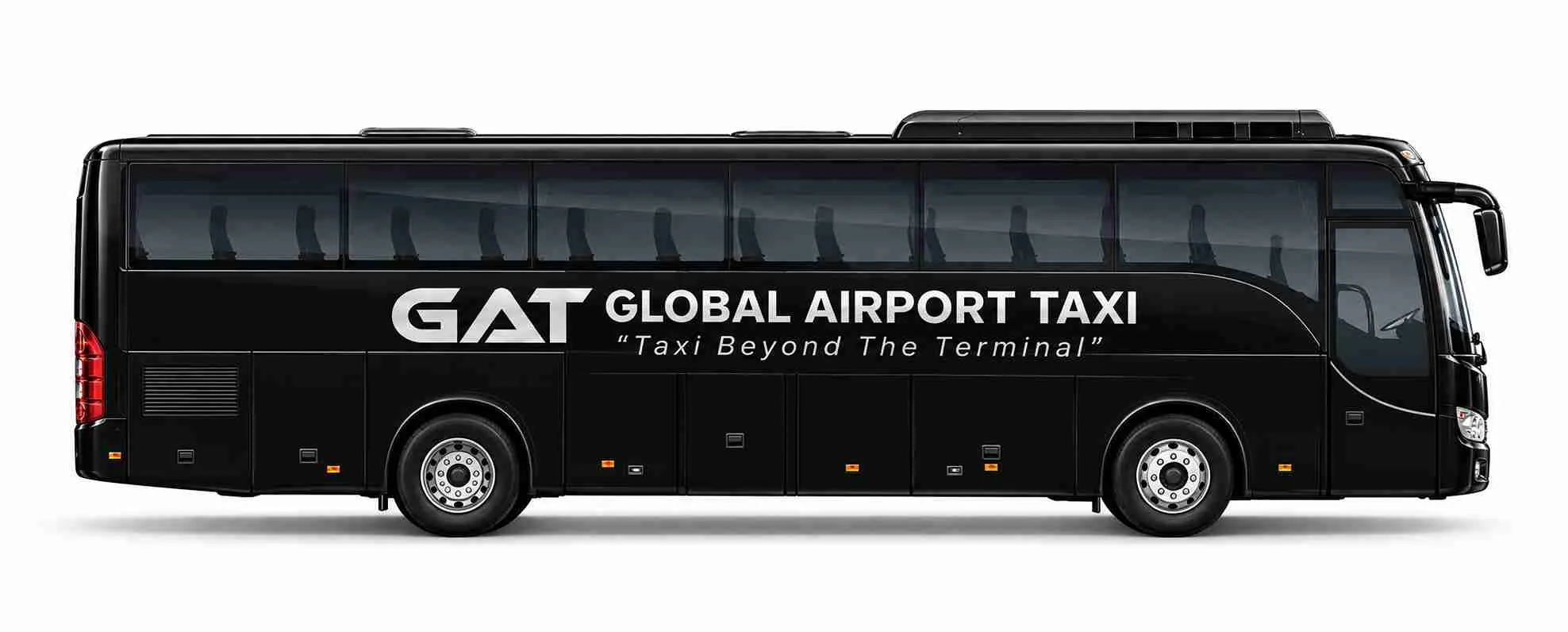
Five of the ten rows below carry a figure that was actually quoted. The other five say so plainly instead of borrowing a number from somewhere else.
The direct answer
The figure, and exactly how much weight it will bear.
A Heathrow to Chichester private transfer in a standard car was quoted at £147, with the executive sedan at £197, the five-seat MPV at £210, the seven-seat van at £247 and the eight-seat executive MPV at £302. A quotation belongs to the booking that produced it, so the figure for your own date, hour and Chichester address comes back from the form rather than from a page.
What that screen does not establish is the date, the hour, the terminal, the exact Chichester address or the conditions behind the label, so every figure here is presented as a quotation for one journey rather than as a tariff. That is not hedging for its own sake. A quotation screen is a photograph of one moment in a booking, and the brief is explicit that it must not be dressed up as a tariff until the company confirms the journey behind it. Everything here is written so that one confirmation turns these into approved fares without a word of the copy changing.
Why the distance is a range. The figure the brief works from is roughly 55 to 65 miles by road, which moves with the terminal at one end and the address at the other. A Heathrow to Chichester city centre taxi, a campus on College Lane and a berth at the marina are three different endings to the same drive.
Why the time is a range too. The University of Chichester publishes about an hour and three quarters by road from Heathrow to its campus, and the brief works from a planning window of roughly 75 to 120 minutes; both are guides rather than promises. No arrival time is promised anywhere here, because the A27 is not in anybody’s gift.
A quotation is a statement about one journey on one day, which is why the form rather than the page returns the figure that applies to yours.
Two sedans were priced, and what separates them is the cabin and two extra bags rather than a seat or a shorter road. Every class leaves the airport the same way and meets the same A27 at the end of it, so booking up buys comfort rather than minutes.
What is included
What the quotation holds, and what is still being confirmed.
One vehicle, from the Heathrow terminal the flight reaches to the Chichester address written on the booking, for a figure agreed beforehand. What it is not is a running meter, an extra invented on the A27, or one flat rate pretending every PO district is the same arrival.
A Heathrow to Chichester airport transfer is quoted for the vehicle rather than per head, which is the first thing to hold on to when any of this is set beside a ticket. The screen marks each total All-Inclusive with no hidden fees, which is the checkout describing its own quotation and not a separate undertaking given here. The distinction is worth drawing because a label on a screen and a term in a contract are different things, and only one of them can be relied on when something changes at the airport.
A better interior and, in the sedan’s case, two more bags for the price of a seat. On a journey of this length that is a genuine choice rather than a flourish: an hour and three quarters is long enough to notice the difference and short enough that nobody needs persuading they are buying time. The business class transfers page sets out what the class includes.
An all-inclusive label describes the quotation it is printed on; what it reaches beyond that is a question the client is still answering.
The road
Two ways south, and one road that decides the ending.
The usual line of the journey leaves the airport for the M25, turns south on to the A3 and crosses to the A27 for the last stretch into Chichester, although the alternative down the A24 or the M23 and A29 is a real one on a bad afternoon. The figure the brief works from is roughly 55 to 65 miles by road, which moves with the terminal at one end and the address at the other. The University of Chichester publishes about an hour and three quarters by road from Heathrow to its campus, and the brief works from a planning window of roughly 75 to 120 minutes; both are guides rather than promises.
| Option | Roads | What it is like |
|---|---|---|
| The usual line | M25 then A3 then A27 | South round the airport, down the A3 past Guildford, then across the bottom of the county on the A27. Quickest when it is moving. |
| The eastern alternative | M25 then A24 or M23 and A29 | Used when the A3 is blocked. Longer on paper and sometimes shorter in practice, which is a judgement made on the day rather than promised in advance. |
| The last few miles | A27 Chichester bypass | Every version of the journey ends here, turning off at one of the bypass roundabouts for the city, the university, Goodwood or the coast. |
Between about fifty-five and sixty-five miles by road, and the spread is not vagueness — it is the difference between Terminal 5 and Terminal 4 at one end and between the cathedral and West Wittering at the other. What every version shares is the ending: chichester Cathedral’s own directions bring drivers off the A27 bypass at one of its roundabouts and into the city from there, which is how almost every arrival on this route ends.
The A27 is the part of the journey nobody can plan around: it is the single road across the bottom of West Sussex, it carries holiday traffic in summer and event traffic on Goodwood weekends, and when it stops there is no parallel road worth taking. That is the honest reason for giving a planning window here rather than an arrival time. A clear Tuesday morning and a Saturday in July with a meeting at Goodwood are not the same journey, and no transfer company can make them one.
The first few miles off the airport, which belong to the M25 and its moods. The A3 at the Guildford end in the evening peak. Summer weekends, when a good part of the South East is driving to the same coast. Goodwood event days, which fill every road around the downs. And roadworks, which on a single-corridor route are felt for hours rather than minutes.
Miles and minutes are quoted here from the people who published them, and neither of them is a promise about your particular afternoon.
Heathrow terminals
Four buildings, one agreed figure, and one of them run its own way.
Bookings are taken from each of the four terminals the airport still runs, which are 2, 3, 4 and 5. Which one you emerge from changes nothing about the amount agreed and everything about where the vehicle is allowed to stand while it waits for you. Being collected from a terminal forecourt is something the airport rules out, so every pickup uses one of the arrangements it does allow.
The order is the same at all four — aircraft, passport control, bags, public hall — and by the time you reach the hall the confirmation has already named the meeting point for that building. That is what a Heathrow to Chichester Meet and Greet booking consists of in practice, and the inbound number is being watched throughout.
The newest of the four, in the centre of the airport. Walk through into the public hall and go to the point your confirmation names. The vehicle waits in Terminal Parking, which the airport calls a two-minute walk, and the time it spends there is charged to the car rather than added here. The terminal 2 page covers collections there in general.
Its neighbour on the same central site. Arrivals opens at street level and the parking arrangement is the same one. The Heathrow coach to the south coast leaves from the central bus station beside these two buildings — though, as the comparison further down sets out, it does not come to Chichester. The terminal 3 page covers collections there in general.
Over on the far side of the runways, under arrangements of its own. A vehicle waits in one of two places here: the Priority Pick-Up bays by the doors, billed by how long it stays and starting at £7.00, or Zone A at the Park and Ride, with two hours published free. The terminal 4 page covers collections there in general.
At the western end of the airport, on a road that serves it alone. Terminal Parking once more. Being the terminal closest to the M25 is worth a few minutes at the start and nothing at all by the time the A27 has had its say. The terminal 5 page covers collections there in general.
Terminals 2, 3 and 5 are served by Terminal Parking, which the airport describes as about two minutes on foot from the doors, and the charge for the time a vehicle stands there is settled at the machine. The bands below are the airport’s own charges to the car, published by the airport, and not something this company adds to your quotation.
| Time in the car park | Charge |
|---|---|
| Up to 29 minutes | £8.50 |
| 30 to 44 minutes | £12.50 |
| 45 to 59 minutes | £16.00 |
| Each further hour or part hour | £8.50 |
| Length of stay | Charge |
|---|---|
| Up to 10 minutes | £7.00 |
| 11 to 29 minutes | £14.00 |
| 30 to 60 minutes | £25.00 |
| Each further hour | £25.00 |
| Daily maximum | £200.00 |
Thirty minutes are free at each terminal’s Park and Ride, which a bus reaches from the doors four times an hour, and Zone A at Terminal 4 publishes two free hours. Those free minutes are the reason a collection occasionally starts with a shuttle instead of a walk: when a flight is late enough that standing in a car park would run up charges, the bus is simply the sensible arrangement.
The building you emerge from settles where a vehicle may stand and what the airport bills it for standing; the agreed figure is untouched by any of it.
City, hotels and station
A Roman crossroads, and the streets a car may still use.
The four streets meeting at the Market Cross — North, East, South and West — are the Roman plan the city still uses, and the pedestrianised part of them is where a vehicle cannot follow. Everything about arriving in Chichester follows from that one fact, and a transfer page that pretends otherwise will put you on the wrong side of a bollard with a suitcase.
What is there. The four streets, the Market Cross and the cathedral close in PO19. The middle is pedestrianised, so the set-down is on the nearest street a vehicle may use rather than at the door.
What is there. Southgate in PO19 8DL, with a taxi rank at the front. A station forecourt runs its own rules for pre-booked cars, so the confirmation names the meeting point.
What is there. Oaklands Park in PO19 6AP, on the northern edge of the city. Reached without entering the pedestrian zone, which makes it one of the simpler arrivals in the city.
What is there. College Lane in PO19 6PE, a twenty-minute walk from the station. A city campus with halls around it, so the building and the hall both belong on the booking.
What is there. Goodwood in PO18 0PH, about fifteen minutes from the station. Goodwood asks drivers to follow the brown signs rather than a sat nav on the final approach.
What is there. Selhurst Park Road in PO18 0PS, up on the downs. Two entrances serve the taxi rank, and which one depends on the enclosure named on your ticket.
What is there. Birdham in PO20 7EJ, four miles from the centre. Reached off the A27 by the A286, down the road to the Witterings.
What is there. West of the city along the harbour shore in PO18 and PO20. Lanes rather than roads at the end, and a tide that closes one of them at Bosham.
What is there. The far end of the Manhood peninsula in PO20. One road in and one road out, and a beach car park that sells out in advance in summer.
What is there. Separate towns in PO21 and PO10 either side of the district. Each is its own journey with its own distance and its own quotation.
Chichester Cathedral gives its postcode as PO19 1PX and describes itself as standing by the Market Cross, at the centre of the city’s pedestrianised shopping streets. The cathedral states that coaches may set down on West Street outside it, and says nothing about cars doing the same, which is the honest answer to where a transfer actually stops. So a Heathrow to Chichester Cathedral Taxi ends on the nearest street that still takes traffic, with the last part on foot — which in a city this size is a short walk rather than an ordeal, provided nobody was promised a door.
West Sussex County Council is extending the pedestrian zone north to St Peters and east towards Little London and Baffins Lane, with a bound central strip laid for delivery vehicles. The practical reading of that is simple: the walking part of a city-centre arrival is likelier to grow than to shrink, and the address on the booking should be the building rather than the quarter.
Great Western Railway gives Chichester station as Southgate, Chichester PO19 8DL, with a taxi rank at the front of the station and mobility set-down and pick-up points at the front and in the car park. The station car park holds 202 spaces and is operated by a parking company rather than by the railway, which matters if somebody is meeting you there rather than collecting you at the rank. A Heathrow to Chichester Railway Station Taxi is an ordinary booking; the confirmation names where the car waits, because a station forecourt runs its own rules for pre-booked vehicles. The station transfers page covers rail arrivals generally.
Chichester Festival Theatre gives its address as Oaklands Park, Chichester PO19 6AP, on the northern edge of the city rather than in the middle of it. It stands clear of the pedestrian zone, which makes a Heathrow to Chichester Festival Theatre Taxi one of the simplest arrivals in the city — and a useful meeting point for anybody whose own address is somewhere a vehicle cannot go.
Hotels here divide between those inside the walls and those out along the bypass, and the difference matters more than the distance suggests: one is a short walk from a legal stopping place, the other has its own forecourt. A Heathrow to Chichester Hotels Taxi is priced to the hotel’s own postcode for that reason. The hotel transfers page covers hotel arrivals in general.
The places named above are named because travellers ask for them. None of it implies an arrangement with a hotel, a venue or an institution.
A city address is quoted to its own postcode, because the middle of Chichester is walked rather than driven.
The university
Two campuses, two towns, and two different quotations.
The University of Chichester gives its Bishop Otter campus as College Lane, Chichester, West Sussex PO19 6PE. Its Bognor Regis campus is a separate place at Upper Bognor Road, Bognor Regis PO21 1HR, and a journey there is quoted on its own rather than at a Chichester figure. That pair of facts is the whole of what a Heathrow to University of Chichester Taxi needs to get right, and it is the thing most often got wrong.
PO19 6PE
University of Chichester — Bishop Otter campus
The main campus on College Lane, a twenty-minute walk from the station.
PO21 1HR
University of Chichester — Bognor Regis campus
A separate campus in another town, on Upper Bognor Road.
PO19 1PX
Chichester Cathedral
By the Market Cross, at the centre of the pedestrianised streets.
PO19 6AP
Chichester Festival Theatre
Set in parkland just north of the walls, clear of the pedestrian zone.
PO19 8DL
Chichester railway station
Southgate, with a taxi rank at the front and mobility set-down points.
PO18 0PH
Goodwood Motor Circuit
On the downs north of the city, signposted in brown from Chichester.
PO18 0PS
Goodwood Racecourse
Selhurst Park Road, with a taxi rank serving two entrances.
PO20 7EJ
Chichester Marina
At Birdham, four miles out on the road to the Witterings.
The university tells its students that Heathrow is about an hour and three quarters away by road, that Gatwick is about an hour and a quarter, and that Southampton is its nearest airport at about forty-five minutes. It also publishes the rail position plainly: Chichester is about an hour and thirty-five minutes from London Victoria on a direct train, which is the fastest leg of a journey that begins with crossing London from the airport. Those are the institution’s own figures rather than this company’s, and they are quoted because a student weighing a Heathrow to Chichester International Student Taxi against the alternatives deserves to see what the university itself says about them.
The university puts Chichester station about twenty minutes on foot from the Bishop Otter campus and Bognor Regis station about fifteen from its own, which is the walk at the end of every rail itinerary. Twenty minutes on foot is nothing at all with a rucksack and a good deal with two hold cases and a term’s worth of bedding, which is the real argument for a door-to-door booking on an arrival weekend rather than any claim about speed.
A Heathrow to Chichester Bishop Otter Campus Taxi is priced to PO19 6PE and set down at the entrance the booking names. The campus sits on the eastern side of the city, reached from the A27 without crossing the pedestrianised middle, so the arrival itself is straightforward. Name the hall or the building: a campus has several entrances and only one of them is yours.
Two hold cases and a cabin bag each is normal for a first term, and the standard car publishes two suitcases. One student arriving with everything they own is therefore an estate or an MPV booking however small the party is, and the honest moment to work that out is while the quotation is still open.
Ceremony weeks fill every room in the city and put the same cars on the same approaches at the same hour. Book early, name the venue and the hotel as separate points if the journey takes in both, and be honest about the party: six people dressed for a graduation still arrive with six cases.
No institution, hotel, venue or operator named on this route has any arrangement with this company, which is an independent transport business and nothing more. Both campuses appear here because that is where travellers are going.
A campus is priced from its postcode and its entrance, never from the name on the sign at the gate.
Goodwood
Up on the downs, several miles out, and priced that way.
Goodwood is a separate destination from the city and is quoted separately, which the brief requires and which the geography justifies: it sits up on the downs, several miles north of the city centre. A Heathrow to Goodwood Taxi is its own booking with its own figure, and anyone quoting it at a city-centre rate has not looked at a map.
Goodwood gives the Motor Circuit as Goodwood, Chichester, West Sussex PO18 0PH and puts it about fifteen minutes from Chichester station. For the circuit it sets out two approaches: the A3 and then the A283 and A285 down from the north, or the A27 from east or west. The detail worth carrying from their own directions is this: goodwood’s own directions ask drivers not to follow a sat nav as they approach the Motor Circuit, and to follow the brown tourism signs from Chichester instead. A driver who knows the estate will do exactly that; a booking that names the circuit rather than a postcode alone makes it likelier.
The Racecourse is at Selhurst Park Road, Chichester PO18 0PS, with a taxi rank used for both setting down and picking up. Which gate that rank serves depends on the enclosure: the East Entrance off Selhurst Park Road for Gordon and Lennox, the West Entrance off Kennel Hill Road for Richmond. So a Heathrow to Goodwood Racecourse Taxi wants the enclosure on the booking as well as the address — it is the difference between being set down at your own gate and walking round the outside of a racecourse in race clothes.
On a raceday Goodwood publishes a 900 bus from the North Car Park at Chichester station, leaving at a quarter past and a quarter to the hour between 10.15 and 13.15. That shuttle is worth knowing about even when a car is booked, because it is the fallback if a group splits up or a flight lands too late for the arrangement that was planned.
On event days the roads around the estate are managed and ordinary access does not apply: approaches are directed, parts of the lanes become one-way, and a vehicle goes where the marshals send it. A Heathrow to Goodwood Festival of Speed Taxi is therefore booked early, with the event named, and nothing on is promised here about entry to a restricted area or a permit this company does not hold.
Corporate days at the circuit and hospitality at the racecourse both tend to move parties of six to eight with light luggage and a fixed start time, which is exactly the shape the executive MPV and the minicoach suit. The corporate transfers page sets out how those are handled, and the event transport page covers the larger arrangements.
Goodwood is up on the downs and several miles out, so it is quoted as the separate journey it is.

Hospitality days and race meetings tend to move whole groups to a fixed start time, and splitting them across several cars turns one arrival into four separate guesses.
Above eight travellers the question stops being which class and becomes what is free on the date, so a group booking for an event weekend wants making early.
Harbour and coast
Eight separate places, eight separate journeys.
Bosham, Fishbourne, the Witterings, Selsey, Emsworth and Bognor Regis are separate destinations with their own roads and their own quotations, and none of them shares a city-centre figure. They are listed here because people search for them in the same breath as Chichester, and separated because that is what they are.
Fishbourne
Just west of the city, where the harbour begins
Close enough to feel like Chichester and far enough to be quoted as its own address.
Bosham
On the harbour shore, four miles west
The road along the quay floods on a high tide, which is a local fact rather than a legend; the booking should name the lane.
Chichester Marina
Birdham, four miles south of the centre
Reached by the A286 off the A27, with its own entrance road.
West Wittering
The far end of the peninsula, by the beach
One road in and one road out, and the beach car park runs its own hours and sells out ahead in summer.
East Wittering and Bracklesham
Along the coast to the east
Village roads at the end, slow on a hot weekend.
Selsey
The southern tip of the Manhood peninsula
A long run down the B2145 after the A27, and a separate journey on the quotation.
Emsworth
Over the Hampshire boundary at the harbour’s west
The A27 passes it on the way in, which makes it its own journey and not a cheaper version of this one.
Bognor Regis
Seven miles east along the coast
Its own town, its own station and the university’s second campus.
Premier Marinas gives Chichester Marina as Birdham, Chichester PO20 7EJ and describes it as four miles from the city centre, reached by the A286 towards the Witterings. A Heathrow to Chichester Marina Taxi runs off the A27 and down the A286, and a boat at the far end usually brings a tide table with it — if the arrival has to meet one, the booking should say so rather than the driver hearing it on the day.
The West Wittering Estate runs the beach car park on its own hours — 06.30 to 20.30 in summer and 07.00 to 18.00 in winter — and asks visitors to book ahead, with some days sold out in advance. Those hours belong to the estate rather than to any taxi company, and they are the reason a Heathrow to West Wittering Taxi in August is a different proposition from the same journey in February: one road in, one road out, and a car park that may already be full.
Bosham is the one locals warn visitors about, and not for anything dramatic: the road along the quay floods on a high tide and cars parked on it occasionally end up in the water. A Heathrow to Bosham Taxi should name the lane as well as the village, and a late-evening arrival on a spring tide is worth mentioning when the booking is made.
All three are their own towns with their own roads. Bognor Regis has a station, a seafront and the university’s second campus; Selsey sits at the end of a long run down the peninsula; Emsworth is over the county boundary in Hampshire and is reached before Chichester rather than after it. Each is quoted on its own, which is the only way any of them can honestly be quoted.
Every village along the harbour is its own address with its own road, and the city figure covers none of them.
Postcodes
PO19 is the city. The others are not.
One journey produced the figures above. Saying so matters here more than on most routes, because the district stretches from a cathedral close to a beach ten miles away, and a page that prints one number and lets everybody assume it covers them has misled a reader without writing a false sentence.
| District | What it covers | Status |
|---|---|---|
| PO19 | The city itself: the cathedral and the four streets, the station, the Festival Theatre and the Bishop Otter campus | The district the quoted journey belongs to |
| PO18 | Goodwood, Lavant, Tangmere, Bosham and the villages north and east of the city | A separate destination; priced by the booking form |
| PO20 | Chichester Marina, Birdham, the Witterings, Selsey and the Manhood peninsula | A separate destination; priced by the booking form |
| PO21 | Bognor Regis, including the university’s second campus | A separate destination; priced by the booking form |
| PO10 | Emsworth and the Hampshire edge of the harbour | A separate destination; priced by the booking form |
The district the quoted journey belongs to, and the one most arrivals are for. Even inside it the last two hundred yards differ, because the middle of the city is pedestrianised.
Up on the downs or out along the A27. Goodwood sits here, several miles from the centre, and is quoted as its own journey.
South of the A27 and down a single road to the sea. On a summer weekend that road is the whole story of the journey.
A separate town seven miles east along the coast, with its own station and its own quotation.
Over the county boundary, reached before Chichester on the way in from the west.
Most of this journey is identical whoever is travelling: the M25, the A3, the A27. The variation lives in the last few miles, and those few miles can mean a bypass roundabout and a campus gate, or another twenty minutes down a single-track lane to the sea. That is why a Heathrow to Chichester PO19 Taxi and a Heathrow to Chichester PO20 Taxi are quoted separately.
One journey produced the amounts above; the districts set out here are what move them.
Families and groups
Seats are the easy number. Cases are the one that bites.
Every class above publishes two figures, and the second one is where group bookings come unstuck. A party counts heads, picks a vehicle with that many seats and meets the luggage limit at the kerb, by which point the choice has already been made for them.
A child needs a place, so a child is counted. There is no charge for a child or infant seat, and one goes in wherever the booking asks for it, and the right one follows from the age rather than the brand. A pushchair swallows roughly a hold case of space and is wanted at both ends of the journey, so it belongs on the booking rather than in the boot as a surprise. The family transfers guide goes through the choice and the child seat guide covers the seats themselves.
Five with three cases fit the MPV as published. Seven move to the van at seven bags and six suitcases. Eight need the executive MPV, which carries seven of each — and that is the sentence to read twice if your party is eight people with eight full cases, because the honest answer then is two vehicles or a minicoach.
Golf bags are a regular on this route, with Goodwood and half a dozen courses within a few miles of the city. What defeats a boot is never the weight; it is whether the shape goes in at all. Name the item on the booking — clubs, a cello, a boxed bicycle, a wheelchair that does not fold — and the class is chosen against what is genuinely being carried.
Parties arriving on two or three aircraft should book each arrival separately with its own tracked number. Holding one vehicle for a late second flight usually costs more than two properly timed collections, and it starts the trip with everybody sitting in a car park. Above sixteen seats the question becomes what is free on the date, and those are arranged through the group airport transfers page.
Carrying a wheelchair or a walking frame is a matter of putting the right vehicle against the date, which takes notice rather than luck. None of the classes above is an accessible vehicle and none pretends to be. What settles the arrangement is whether the chair folds and, when it does not, its measurements and its weight. The accessible transport guide sets out what can be organised.
A child seat takes a place in the car exactly as an adult does, so a party of five bringing two of them is a booking for five.

An hour and three quarters with a suitcase on somebody’s knees is an hour and three quarters nobody enjoys, and two cars arriving separately at a holiday cottage is worse.
Give the real head count and the real case count while the quotation is open: the class is matched to what turns up at the kerb rather than to what was hoped for.
Train or coach
Neither the train nor the coach starts where you land.
Nothing here claims a car is always the cheapest way south; what settles it is the party size, the luggage, the hour of the landing and whether the address is in the city or out at the coast. What can be set out properly is how each option is sold, how many changes it contains, and where it leaves you with your bags.
| Option | How it is priced | Changes | Luggage | Where it leaves you |
|---|---|---|---|---|
| Private transfer | One figure for the vehicle, quoted before travel | None: the terminal door, then the address booked | Chosen from the published figures for the class | Your own address, or the closest street still open to traffic |
| Train via London | A ticket per passenger, varying with how early it is bought | Two at least — into London first, then across to Victoria | Whatever you can carry and watch through two changes | Chichester station, with a walk or a local taxi after it |
| Coach | A ticket per passenger | Two or more, because no Heathrow coach comes to Chichester | Hold allowance set by the operator | Portsmouth or London, and a separate journey from there |
No. National Express route 203 runs from Heathrow to Southsea by way of Winchester, Southampton, Fareham and Portsmouth, and Chichester is not one of its stops; the operator puts Heathrow to Portsmouth at roughly three hours and a quarter. That is the fact the comparison turns on: the coach network treats this corridor as a Portsmouth route, and Chichester sits twenty miles east of where it stops. Anyone arriving by coach is buying a second journey at the far end of the first.
No. There is no direct train from the airport either: every rail itinerary crosses London first, and the Victoria to Chichester leg alone is about an hour and thirty-five minutes before the airport connection and the walk at the far end are counted. It also publishes the rail position plainly: Chichester is about an hour and thirty-five minutes from London Victoria on a direct train, which is the fastest leg of a journey that begins with crossing London from the airport — which is to say the fast part of the rail journey is the part that happens after you have already crossed London with your luggage.
One person, one case, a weekday afternoon and an address near the station: the train is a perfectly good journey and the figures above do not pretend otherwise. The balance turns at about two people with real luggage, at a late landing, or at any address out towards the harbour — which is most of the district. The guide for international travellers sets the options out in general terms.
A rail or coach ticket is bought per head and a car is quoted per vehicle, which is the comparison this table is really about.
Taxi or app
Two ways of arriving at a number, not two numbers.
What an app charges on your particular day cannot be known in advance, so no app price appears here; what can be compared is how the two are priced and what each one fixes before you travel. Anybody telling you in advance which will be cheaper on your particular Thursday is guessing with confidence.
Yes. Uber’s own city page says the app operates in Chichester around the clock, and adds that pickup times can be longer than in larger cities, which is why it suggests reserving a car in advance. That last detail is the useful one for an airport arrival: a city of this size has fewer cars circulating than London does, and a pre-booked vehicle is already allocated to your flight rather than being searched for when you land.
| Option | What fixes the price | When you know it | A party of six or more | At the airport |
|---|---|---|---|---|
| Pre-booked minicab | Your address, your date and your chosen class, priced in advance | Before you book | Eight travellers, one vehicle, one agreed amount | Already assigned, with the meeting point printed on the confirmation |
| Ride-hailing app | An estimate inside the app that moves with demand | When the app is opened, which is after you have landed | Whatever is free, which can mean two cars | Walk to the car park the app sends you to |
| Metered taxi | A regulated meter counting distance and time | When the journey ends | Rarely one vehicle at this size | Taken from the rank |
Two guides go further than a route page sensibly can: one on fixed prices against ride-hailing and one on how the three kinds of vehicle are licensed.
An app produces its number when you open it; a quotation produces one before you fly, and that is the difference being weighed here.
Going back
The same roads, and a deadline instead of a landing.
A Chichester to Heathrow Airport Taxi is quoted separately, and the reason is practical rather than administrative. Outbound, the clock starts when the aircraft lands and the drive takes as long as it takes. Inbound, a check-in desk closes at a fixed time and the A27 has no interest in it.
Work backwards. Take the planning window rather than the best case, add the time the airline wants you there, and then look at what the A27 and the A3 are doing at that hour: the north-bound morning peak is a different animal from the afternoon. The answer usually lands earlier than people expect, and earlier is the right direction to be wrong in.
Departures cluster at the start of the day, so pickups on this route cluster in the dark before it. How the company handles those hours is set out on its late-night and early-morning page. Whether an unsociable hour changes the figure here has not been established for this build, so no claim is made in either direction — and it is on the list of things the client is being asked to settle.
Name the departure terminal when booking the return: the set-down arrangements are not the same at all four, and the drop-off charges guide sets out what the airport takes at each. A Chichester to Heathrow Terminal 5 Taxi and a Chichester to Heathrow Terminal 2 Taxi are the same drive with two different endings.
A return that starts at a hotel, a hall of residence or Goodwood is quoted from that address rather than from the city centre, exactly as the outbound journey is. Where the pickup is somewhere a vehicle cannot reach — inside the pedestrian zone, say — the confirmation names the nearest point it can, and that is agreed when the booking is made rather than at five in the morning.
The two directions are quoted apart, each from its own address at its own hour, and no discount for taking both is implied.
Nobody has produced a northbound quotation for this build, which is why no figure for the return appears above. The form prices it from the same place the outbound figures came from.
Tracking and changes
Late aircraft, long waits, changed plans: who carries which cost.
The inbound number goes on the booking and is followed from there, so a late landing moves the collection rather than cancelling it. It is the single most useful thing a pre-booked transfer does, and the thing an app by definition cannot do before you have landed and opened it.
An hour of waiting is included at the airport and it is counted from the moment the aircraft lands rather than from the time on the schedule, with fifteen minutes allowed at any other address. Counting from touchdown rather than from the scheduled time is the part that matters: an aircraft ninety minutes late has not used a minute of the allowance when it finally arrives. Past the included hour, waiting is charged at whatever your confirmation states.
Where a booking includes it, somebody is waiting inside arrivals with your name on a board, at the meeting point the confirmation names. Your confirmation shows the driver and vehicle details. The existing page implies this happens on every booking; nothing seen for this build establishes that, so it is written as a feature of the bookings that include it until the company confirms otherwise. The meet and greet page sets out what the service covers and the Heathrow pickup guide covers the terminals in detail.
Cancel a qualifying booking a clear day ahead of the pickup and the published policy returns the fare in full, subject to the booking terms — which is what makes the twelve-hour wording still on the existing page wrong rather than merely old. A change of date, address or class is a change to the booking rather than a new one, and the earlier it arrives the simpler it is. The refund and cancellation policy governs both, and nothing here promises an automatic refund in every circumstance, because no policy does.
Tell the company as soon as you know. A diversion to another airport is a different journey and has to be quoted as one; a cancellation that gives enough notice falls under the published policy. We are a booking platform. Your transfer is carried out by a licensed operator under the arrangements in your confirmation.
A late landing moves the collection and leaves the figure untouched; waiting past the included hour is charged as the confirmation sets out.
Why book here
Only the things that can be checked.
Everything in the list below can be verified, and that was the single condition for being on it. No fleet size, no rating, no trip count, no awards: none of those could be substantiated for this build, and the brief is explicit about removing them.
What time you will arrive. What an unpriced class costs. That Goodwood or the Witterings share the city’s figure. That a direct coach or train exists. That an app is dearer. That a driver can enter a restricted event area. That any venue or institution on this route is a partner. Each of those is something a competitor page says without pausing, and each is something this one cannot stand behind.
What remains open with the company is written down rather than smoothed over. The first of those is the starting fare itself: the brief asks for confirmation that it is bookable today, and the page is built so that one approval settles it.
Each amount above names where it came from, and each unpriced class explains the blank instead of filling it.
Questions
Twenty-one answers, each leading with the answer.
The answer comes first in every one of these, and the explanation after it. Each figure in them comes from the same places as the rest of the page: the quotation screen, Heathrow, or an institution or operator publishing about itself.
The sedan was quoted at £147, shown to the pound, with four larger classes above it. The figure belongs to one journey on one day rather than to a tariff, so the form returns the one that applies to yours.
For the journey the form prices, yes: one vehicle, one agreed figure, nothing running in the corner. Additions sit outside it — a second address, an extra pickup, waiting past the included hour — and the confirmation explains each.
That is exactly the question the brief asks the company to confirm, and it is the first open item in the audit delivered alongside this build. What can be said now is that the sedan is the class the quotation screen priced at that amount and marked as recommended.
The quotation screen put it at £197 — three passengers, four bags, two suitcases. Compared with the standard car that is one place lost and two bags gained.
£210 for the five-passenger MPV, with four bags and three suitcases. No six- or seven-seat MPV was quoted, so those rows ask for a live fixed fare instead.
£247, with seven bags and six suitcases against it. Note the seat count: the van is a seven-seater, not an eight.
£302 for eight passengers with seven bags and seven suitcases. It is the eight-passenger class on this list, and the luggage line is the one to read before booking on seats alone.
Eight people, yes — in the executive MPV. Eight people with a full hold case each, no: the published figure is seven suitcases, so that party needs a minicoach or a second vehicle.
Roughly 55 to 65 miles by road, depending on the terminal and the address. The road runs out on the M25, down the A3 and across on the A27.
The University of Chichester publishes about an hour and three quarters by road from Heathrow, and a 75 to 120 minute window is a fair planning range. No arrival time is promised: the A27 is the one road across the bottom of the county.
From any of the four terminals the airport still operates. Name it on the booking and the collection is arranged for that building; neither the drive nor the figure changes with it.
Redevelopment removed the car park Terminal 4 used to collect from, and what stands in its place are the Priority Pick-Up bays and Zone A of the Park and Ride — no third option, whatever an older page may suggest. Priority Pick-Up opens at £7.00 for the first ten minutes, and Zone A of the Park and Ride publishes two free hours. No pod serves this terminal.
There are ranks at the terminals, and for a journey of this length a metered fare is a very different proposition from an agreed one. Pre-booking also means the inbound flight is tracked and a vehicle of the right size is already allocated.
Ask the form for it. The figures here were produced for a journey leaving the airport; the return starts at a different address at a different hour, and reusing the outbound number would be inventing a quotation rather than quoting one.
Yes. The University of Chichester gives its Bishop Otter campus as College Lane, Chichester, West Sussex PO19 6PE, and the Bognor Regis campus is a separate place with a separate quotation. Name the campus, the hall and the entrance on the booking.
Yes, and it is quoted as its own journey rather than at the city figure. The Racecourse is at Selhurst Park Road, Chichester PO18 0PS, with a taxi rank used for both setting down and picking up, and which entrance serves you depends on the enclosure on your ticket.
All of them, each priced separately. The Witterings are at the end of the peninsula, Bosham sits on a quay road that floods on a high tide, and Selsey is a long run down after the A27.
Great Western Railway publishes a taxi rank at the front of the station, along with mobility set-down and pick-up points. A pre-booked car waits where your confirmation says rather than on the rank.
Uber’s own city page says the app operates there around the clock, and adds that waits can be longer than in bigger cities. No app price is quoted here, because an app price is produced at the moment you ask for it.
The inbound number goes on the booking and is followed from there, so a late landing moves the collection rather than cancelling it. The airport allowance runs for an hour from touchdown; anywhere else it is a quarter of one.
Answer three things — where in the district you are going, when, and in what class — and the figure comes back with nothing yet committed to. The whole thing takes a couple of minutes, and nothing is committed until the amount has been read.
If something is still open after those, the general questions page covers the company as a whole, and the contact page reaches the people who arrange these journeys.
The answers below use the same quoted figures as everything above them, because rounding one up for an answer box would be the cheapest kind of dishonesty.
Book
Eleven fields, and the first one does most of the work.
A quotation is free and arrives long before any commitment. The field that carries the weight is the full Chichester address with its postcode: PO19 is the city, PO18 takes in Goodwood and the downland villages, PO20 runs south to the marina and the Witterings, and PO21 is Bognor Regis.
Asking costs nothing and commits nothing, and the figure arrives before any of it is agreed.
One field governs the rest: the Chichester address with its postcode. PO19 is the city and the campus, PO18 covers Goodwood and the downland villages, PO20 runs down to the marina and the Witterings, and PO21 is Bognor Regis, which is a town of its own. Add the terminal, the date in British time, the inbound flight number and honest counts of people and cases, and the figure that comes back is the one that applies to your journey. The way home is quoted separately, so settle both while you are here.